Showing posts with label book. Show all posts

Monday, July 10, 2023

മാടൻ മോക്ഷം- ദൈവങ്ങളുടെ പരിണാമഗാഥ


 മാടൻ മോക്ഷം. ദൈവങ്ങളുടെ പരിണാമഗാഥ. നൂറു സിംഹാസനം എന്ന അച്ചുവാർപ്പുകളെ തച്ചുതകർത്ത കൃതിക്കു ശേഷം ജയമോഹനെ വീണ്ടും വായിക്കാനെടുത്തപ്പോൾ അതിൽക്കുറഞ്ഞത് പ്രതീക്ഷിച്ചിരുന്നില്ല. മാടൻ മോക്ഷം അതിൽക്കവിഞ്ഞു നിന്നു. അധികാരശ്രേണിയിൽ താഴേക്കിടയിൽ നിൽക്കുന്നവന്റെ ദൈവത്തിന് അന്നം മുട്ടി, വെള്ളം മുട്ടി, അവന്റെ പ്രജകളെപ്പോലെ അവനും കുരിശുവഴിയിലേക്ക് തിരിയും എന്ന് ഭീഷണിപ്പെട്ടപ്പോൾ, മത-രാഷ്ട്രീയ അച്ചുതണ്ട് ഇടപെട്ട് പദവി ഉയർത്തി അവനെ സനാതനിയാക്കിക്കൊടുത്തു. മനുഷ്യൻ മറുകണ്ടം ചാടിയാൽ സഹിക്കാം. എന്നാൽ ദൈവം അങ്ങനെ ചാടിയാൽ സഹിക്കുമോ? 

സാന്ദ്രതയേറിയ സമൂഹവിമർശനം ആക്ഷേപഹാസ്യാത്മകമായി അവതരിപ്പിക്കുന്ന ഒരു കൊച്ചു കൃതി. ജൈവികമായ ദേവസങ്കല്പത്തെ രാഷ്ട്രീയലക്ഷ്യത്തിനായി, കിട മത്സരങ്ങളിൽ ജയിക്കാനുള്ള ഉപായമായി, ചുറ്റുമതിലിനുള്ളിൽ തളച്ചിടുമ്പോൾ ദേവനും യഥാർത്ഥ ഭക്തനുമായുള്ള ആത്മബന്ധം എന്നെന്നേക്കുമായി പറിച്ചെറിയുന്നത് കാണിക്കുന്നു. തനിക്ക് കൈകൂപ്പാനും, ഊട്ടാനും, കൂടെ ഇരുത്താനും, ശകാരിക്കാനും, ഉപദേശിക്കാൻ പോലും സ്വാതന്ത്ര്യമുള്ള ദൈവം, ശ്രീകോവിലിൽ തളയ്ക്കപ്പെടുകയും, കയറി ഒന്ന് കാണാനുള്ള സ്വാതന്ത്ര്യം വിലക്കപ്പെടുകയും ചെയ്യപ്പെട്ട പൂജാരിയുടെ അവസ്ഥ. ഒരുകാലത്തു നാട്ടുകാരുടെ പരമാധികാരിയായിരിക്കുകയും, എന്നാൽ ഇന്ന് സഞ്ചാരസ്വാതന്ത്ര്യവും, ഭക്ഷണസ്വാതന്ത്ര്യവും പോട്ടെ, മനസ്സറിഞ്ഞ് ഒന്ന് ചിരിക്കാൻ പോലും പറ്റാത്ത ദൈവത്തിന്റെ അവസ്ഥ. മാടൻ സ്വാമിക്ക് മോക്ഷമല്ല യഥാർത്ഥത്തിൽ കിട്ടിയതെന്ന തിരിച്ചറിവിലാണ് വായന അവസാനിക്കുക.

1989ൽ തമിഴിൽ രചിക്കപ്പെട്ട കൃതിയുടെ മലയാള പരിഭാഷ ചെയ്തത് രചയിതാവ് തന്നെ. അന്നത്തെ ജീവിതസാഹചര്യങ്ങൾ മാറിയെങ്കിലും സമൂഹമനോഭാവം ഇന്നും അതുതന്നെയെന്ന് ഈ വായനയിൽ നമുക്കു ബോദ്ധ്യപ്പെടും. തദ്ദേശ സാഹിത്യത്തെയും, കലയെയും, സിനിമയെയും, വ്യാപാരത്തെയും, എന്തിന്, ഭക്ഷണത്തെയും വെള്ളത്തെപ്പോലും വിഴുങ്ങുന്ന കുത്തകഭീമന്മാർക്കിടയിൽ ദൈവത്തിന് മാത്രം എന്ത് രക്ഷ? 

Sunday, July 9, 2023

Book Review: The Puzzle of Blackstone Lodge by Martin Edwards

A man went missing inside Blackstone Lodge in 1606. Three Hundred years later, it was the turn of another, earning notoriety for the dilapidated Lodge within the village community living in Blackstone Fell, surrounded by treacherous rocks, murderous swamps, and devious torrents. For the quick-witted, heavy-drinking, ambitious crime journalist Nell Fagan, out of work due to her own shenanigans, a lifeline opens up when some deaths in the nearby sanatorium reeks of foul play. She goes there for an investigation on the pretext of researching the disappearances and manages to stay in Blackstone Lodge. When she also turns into thin air, private detective Rachel Savernake has to interfere and get confronted with several mysteries: baffling disappearances, brutal murders, a medium that brings the voices of dead souls, a violent rector unleashing hell on his miserable wife, and a sanatorium in tatters that takes more lives than it saves.


The Puzzle of Blackstone Lodge, written by Martin Edwards, is the third installment of the book series featuring Rachel Savernake, a quick-thinking, resourceful amateur private detective who loves to live in danger and solve murders. I haven't read the previous two parts. Netgalley provided me with an advance ebook copy in return for my honest feedback. The book is an adventurous investigative thriller with a humorous undertone that is set in 1930s England. Several historical events, places, and personalities are mentioned in the novel.

I loved the setup of the mystery elements in the book. Initially, the element of intrigue involved only two mysterious disappearances that happened within three hundred years. When the story progresses, we find there are more murders to be solved, and soon after, the death count picks up. Left and right, people are killed, and each one is more gruesome than the previous. The mystery that began with a small and obscure enigma evolves into a mighty conundrum, which ultimately makes everyone associated with the events suspect. It made me think of an octopus slowly unfurling its tentacles to show its mammoth proportions.

The author is successful in creating an atmospheric thriller by setting it in a remote village that is surrounded by several natural obstacles that eventually turn fatal for many characters. The geography is a very important aspect of the plot, and the map that is provided at the beginning of the novel helps a lot to appreciate it properly. I won't say it is integral to refer to the map every time to understand the incidents depicted in it, but a look into it once in a while will give you a good perspective, which further enhances the reading experience. Another innovative attempt is the use of a clue finder at the end of the book. Along with hinting at the interesting clues that we missed while reading, it also serves the purpose of refreshing our memory of the plot points after reading the book.

Among the numerous characters, all of whom are more or less crucial to the plot, I liked the character of Nell. The initial chapters are focused on her, and you find a colourful character, a loose cannonball, who never stays down, always ready to get up and continue the fight. All her character flaws and weaknesses made her more endearing to me. I had a premonition about how her character would end up, but I dearly wanted her to be the one who stays till the end and comes out on top.

That brings us to the biggest turnoff I had with the book. I didn't like the protagonist. Her character was done with very broad sketches that don't mix with others. It's true that several classic detectives, like Holmes and Poirot, always stayed a level above the plot and other characters. But they had their own way of making the reader attracted to them. They had a charm that made us wait curiously and eagerly for the climax that binds all the plot threads neatly. This charm is missing in Rachel Savernake, and she ends up being a rude and entitled person who simply finds pleasure in putting down others. I started disliking her more because she literally caused the death of a character and proclaimed that the person deserved it many times. Her sidekicks are devoid of any charm and feel like animated robots when compared to the likes of Dr. Watson. Even the other characters of the novel never rose above the level of ordinary to create any impact on me while bad things were happening to them.

Maybe I didn't like the protagonist because I hadn't read the previous novels that established her. Maybe if I read them, I will become more sympathetic towards her and appreciate her behaviour more favourably. But when I consider The Puzzle Of Blackstone Lodge as a standalone novel, I have to conclude that this is a mystery novel with a fascinating and gripping plot but a terrible protagonist and weak characters. I am not sure if I want to read the previous installments, but I will definitely read a spinoff featuring the adventures of Nell Fagan if it is ever written.

Thursday, July 6, 2023

Book Review- Stolen Family: Captive in Saudi Arabia by Johanne Durocher


In 2001, a Canadian girl of seventeen fell in love with a Saudi man, who claimed that he was a student in Canada, and became pregnant. When he was deported back to Saudi Arabia, she decided to follow him with the baby, thinking that she could return whenever she wanted. Little did she know that she would be trapped there, in a violent marriage marred with abject poverty, and that no bureaucracy or diplomacy would take the step to hear her pleas and relieve her of her egregious distress. Her mother moved heaven and earth to repatriate her and her children back to Canada, and still, after more than one and a half decades, she continues the fight.

Stolen Family is the real-life account of the plight of Nathalie Morin, who got trapped in Saudi Arabia, as told by her mother, Johanne Durocher. It also details the immense struggle of Johanne to ensure the safe return of Nathalie and her children back to Canada and the personal losses that she had to endure in her effort. The book was originally written in French, and Netgalley gave me an ebook of the upcoming English translation by J. C. Sutcliffe, in exchange for my honest feedback.

It is a very shocking book to read. To imagine that the events described in it have happened or are playing out in our times is very disturbing. In hindsight, it is easy to blame Nathalie for her erroneous decision-making and for not backing off when there were several evident danger signals. It is also easy to blame Johanne for not trying harder to avoid the traps into which her daughter fell, in spite of her being a victim of similar crimes.

But nothing can excuse the devious and underhand manner in which her husband trapped Nathalie in a foreign land and forced her to conceive three times more, binding her more to Saudi law. Equally dicey is the Saudi authority, which used its power to unfavourably prevent any respite for her and make her stay in Saudi Arabia by hook or crook. The Canadian government and authorities also failed spectacularly in protecting their citizens interests and safety in a foreign land. It is evident that they misinterpreted and trivialised a serious diplomatic issue between two sovereign countries into a common family tussle. It can also be observed many times that Canadian officials worked hand in glove with the Saudis to ensure that Nathalie and her children were not repatriated to their homeland.

The best quality of Johanne's writing is her utter frankness and courage to call a spade a spade. She names every politician, officer, bureaucrat, and journalist who intentionally or unintentionally denied justice. In the initial pages of the book, I got the feeling that Johanne is just a vitriolic mother who is desperate for her daughter's return and not ready to have an objective view of the situation. But while the situation was unfolding in the later pages of the book, I realised that this was not the case. Two incidents especially anchored my realisation: her reaction to the plight of two Saudi activists who tried to help Nathalie and her objective description of her Saudi son-in-law that is described towards the end of the book.

Stolen Family: Captive in Saudi Arabia is a harrowing experience even to read. We can only imagine the plight of the individuals who had to live through this and had their lives devastated. It also makes us aware that many other unaccounted-for similar incidents are happening around us even today, in the era of a globalised world. I believe educating children to become more independent and to curb their tendency to get addicted to substances will be the right step. Recently, Saudi Arabia has been ready to dilute many of its tough religious laws and open up towards a more liberal and free society. I hope other autocratic nations follow suit and that no more families are stolen hereafter.

Tuesday, July 4, 2023

Book Review: Sherlock Holmes and the Legend of the Great Auk by Linda Stratmann

A stuffed specimen of the great auk, a flightless bird supposed to be extinct, is being unveiled at the British Museum when a young ornithologist tries to vandalise it after accusing it of being a fake. When he is murdered in a fashion similar to how conventionally flightless birds are done away with, Sherlock Holmes is entrusted with three missions: to solve the murder, to prove the legitimacy of the specimen, and to save the museum and the late contributor of the specimen from further scandals.


Whenever any attempt is made to bring out a new novel or movie from a known franchise, there arise certain expectations that are built up from the previous experiences associated with it. If the new product fits the template, it is, personally, a satisfactory experience for me. If it alters the franchise in a great way that radically changes our attitude towards it, like how Christopher Nolan transformed the cinematic landscape of Batman movies, I am delighted. But if the retelling tries to subvert my expectations and spoil my goodwill towards the franchise, it will be a horrible disappointment. I had my fingers burned with Sherlock Holmes once before by reading The Curious Case of 221B by Partha Basu.

Thus, it was with a certain curiosity about how it would turn out that I started reading Sherlock Holmes and the Legend of the Great Auk, which was provided by Netgalley and the publisher in exchange for an honest review. It is written by Linda Stratmann and is the fifth installment of the series The Early Casebooks of Sherlock Holmes. The novel chronicles the mysteries solved by Holmes in his pre-Watson period, while he was a student doing rather dangerous chemical experiments and accumulating different skills and knowledge required for his celebrated and distinguished future career.

As this is the fifth book in the Early Casebook series, the character is properly established in this universe. Linda Stratmann doesn't deviate much from the template set by Conan Doyle. The character of Holmes displays all the quirks and eccentricities that are made famous by the classic stories. The author has toned down a lot of his tendencies towards substance abuse. It is evident that Stratmann has a good understanding of the historical mapping of the times and the literary style of Doyle. The language she uses is thankfully very similar to that of Doyle and suitable for the story. The plot is intriguing, with many threads of mysterious incidents overlapping one another.

The story is narrated by Mr. Stamford, a student of surgery who is also Stratmann's stand-in for Dr. Watson. There is nothing to complain about the character, but while I would appreciate that Stratmann chose to stay as close to Doyle in other aspects, a slight variation in this character, who very much resembles Dr. Watson, would have taken the novel to a higher level. It is evident that Stamford narrates his adventures with Holmes at a later period, long after Watson has already published his stories with Holmes. This setup is excellent, as it leaves room for a lot of references to the plots of various classic Holmes mysteries. It will also be interesting to explore the motivation behind Stamford's recounting of these old accounts so late in life. Was it a late attempt to grab fame and limelight when Watson has already achieved them? Does this attempt compromise his storytelling in any way? Some interesting details to ponder about

Stratmann has used several real-life figures and incidents in the novel, which became evident to me only after reading the final notes. This also became a factor that I appreciated about the book, as it added an additional layer to it. The plight of the great auks and the final extinction of the flightless, monogamous, penguin-like species are heartbreaking. Though the author doesn't explicitly express it in the book, ecological conservation manages to come out as a major takeaway. An envelope of humor—a tad more than that can be found in the works of Doyle—covers the Legend of the Great Auk.

Linda Stratmann has delivered a suspenseful detective novel featuring Holmes, very much in the style of Doyle. Though this Holmes never attempts to break any new ground and settles to stay close to its classic predecessor, the book ultimately was a satisfying experience.

Saturday, July 1, 2023

Book Review: Robots Through the Ages

A machine is a Man turned inside-out because it can describe all the details of a process, which a Man cannot, but it cannot experience that process itself as a Man can.


Months ago, I saw a travel documentary about a hotel in Japan that ran exclusively using robots. Receptionist, waiter, roomboy, chef, and laundry man—all were robots. Once you check in, you won't see a human being until you check out. It was an immensely entertaining spectacle and, at the same time, a deeply profound one. Robotics and AI are growing by leaps and bounds, but we are still unsure about the dynamics of our relationship with a non-human intelligence that doesn't need our intervention for sustenance. The only sure assumption is that our future is going to be totally and radically different from the way we have lived until now.

Robots Through the Ages is an anthology of science fiction short stories and novelettes, written by stalwarts, that deals with robots and AI. There are 17 stories in it, arranged chronologically, except for the first story, which is an original, unpublished one. There are two more original stories in the collection. From the vast ocean of good, bad, and ugly science fiction stories dealing with robots and androids, it is a daunting task to select a few that represent most of the different subgenres and also put forth relevant queries that a life with them poses. To the credit of the editors, Robert Silverberg and Bryan Thomas Schmidt, they have succeeded in their endeavour. I would rate the stories of Robots Through the Ages from above average to excellent in terms of quality, with many of them inspiring the reader to mull over the ramifications of the life-altering technological advancement that we now encounter even in our daily lives.

The book opens with a wonderful introduction to the volume by Robert Silverberg, which explains the need for such a venture. It is followed by the story Perfection by Seanan McGuire, which subtly points out the basic principle of robotics: attaining clinical perfection that is impossible for ordinary humans. It paints a grotesque picture of how an unnatural desire for perfection strips us of our humanity. Most of the stories in the collection gaze at this dilemma from different angles and in varying tones. Then we have a spooky story from 1899 by Ambrose Bierce about the creator who secretly built a machine that could think without a brain. Most of the initial stories are highly pessimistic about mixing thinking machines with human beings, like Jack Williamson's With Folded Hands, in which self-thinking humanoids that are bound to serve and guard humans wipe out the entire human industry, or Philip K. Dick's Second Variety, in which robotic warriors get so advanced that they forget which side of the war they are fighting for.

There are stories with an unpredictable twist in the last sentence, like Goodnight, Mr. James by Clifford D. Simak, in which a clone has to think of saving his skin while trying to kill a runaway murderous telepathic alien, and Instinct by Lester del Rey, which is about a robot in an apocalyptic world hell-bent on cloning a man, going against its superior, but having no idea what to do with him once cloned. A Bad Day for Sales is a satire about an automatic robotic vending machine finding himself in a nuclear blast. Another laugh-out-loud story is The Golem by Avram Davidson, which is about a robotic demon with murderous intentions and a retired couple who don't give a hoot. For A Breath I Tarry by Roger Zelazny is a profound existential thriller about a sentient machine that probes what it is to be a man in an apocalyptic future, with a beautiful ending.

The editor of the book, Robert Silverberg, has contributed an interesting and humorous story titled Pleasent News From the Vatican, about a group of people waiting for the election of a new pope with the possibility of a robot being elected. That Must Be Them Now is a story about a lowly robotic junk-collecting drone with ambition trying to hustle his way up against formidable competitors. There is a humorous play by Suzanne Palmer titled R.U.R.-8? (referring to Karl Capek's play R.U.R. that introduced the word robots) about the introduction of robots making humans too lazy to pursue anything meaningful. Today I Know by Martin L. Shoemaker is a wonderful, warm, and feel-good story that is the most recent one in the collection, about the relationship between an empathetic robot and a suicidal girl.

There are certain stories that did not work as well for me as the ones that I mentioned above, though even in them I could spot flashes of great imagination and genius. Dilemma by Conie Willis felt like a fan fiction story about Asimov, though it is eminently readable. The Robot's Girl by Brenda Cooper, which dealt with a couple trying to rescue a girl in their neighbourhood who is brought up by robots alone, was repetitive and ended up as an ordinary story. The climactic twist in Robinson Calculator by Paul Levinson didn't work for me, though the story until then was delightful. Ken Scholes has contributed an original story titled Of Homeward Dreams And Fallen Seeds And Melodies By Moonlight, which is a prequel to the world he created in his novel series. I feel someone who is more familiar with the lore will appreciate it more.

I believe we are at a crossroads as humans, and the possibilities and dangers of our next step forward are to be known, discussed, and resolved by the time we traverse the point of no return. Robots Through the Ages works as a collection of short stories due to its sheer diversity of themes, which make the reader think about the issues and opportunities created by a technology that has the power to permeate every dimension of human life.

Thursday, June 29, 2023

The Museum of Innocence by Orhan Pamuk


With only a few days left for his engagement with Sibel, an educated young modern girl, the rich boy Kemal happens to meet his distant cousin Fusun, a lower middle-class student working part time as a salesgirl, and starts an affair with her. This affair kicks off a chain of events that shatters the lives of all three involved, leaving an obsessed and love-lorn Kemal in a long and arduous wait to win back Fusun. His only respite was the possession of petty articles that Fusun contacted, with which he could nurse her memories. Years later, these articles enabled him to build a museum dedicated to his love affair with Fusun.

The Museum of Innocence is a novel by Turkish writer Orhan Pamuk that is both a love story and, at the same time, an exploration of the connection between articles and the memories their presence evokes. Reading it reminded me of many other books that I had read before for several reasons. The loving portrayal of ordinary items that we use and discard without realising their emotional connection reminded me of Chilean poet Neruda's collection Odes to Common Things, in which the poet writes lovingly about common articles that we take for granted. The awkwardness of its love story reminded me of Marquez's magnum opus, Love in the Time of Cholera. The theme of collecting articles to remember a certain period in the past reminded me of the novel Time Shelter by Georgi Gospodinov, which won the International Booker Prize in 2023.


"It was the happiest moment of my life, though I did not know it". With this opening sentence, Pamuk gives two warnings to his reader. Firstly, the novel that begins with the happiest moment of its protagonist's life guarantees that we are in for a long, gloomy ride of tragic happenings. Second, the protagonist realises the happiest moment in hindsight, and the story is told in flashback. These realisations, along with Orhan Pamuk's fabulous writing, helped me navigate the 700 pages of plot that developed inside the mind of the most obsessive, awkward, and politically incorrect protagonist I have ever read in a fictional book. (In nonfiction, some autobiographies did the job.)

As Pamuk explained in an interview, this novel is an experiment, and the author has established an actual museum in Istanbul that exhibits various articles explained in the novel. His intention is to show the importance of ordinary items in daily life that we tend to forget and how everyday items induce memories in our minds due to the emotional connection that is established in the process of interacting with them. In the novel, the protagonist explains the Aristotelian principle that time is nothing but a line that connects different moments that we experience. He wants the artefacts of the museum to be that line that connects the spectators with the past moments and makes them appreciate the life story of Kemal and Fusun in a new light.


In the love story that he describes in the novel, Pamuk ensures that the reader too gets to experience this emotional connection with the lives of Kemal and Fusun through a detailed explanation of their everyday experiences. Pamuk describes Kemal's wretched condition in all its pathetic glory with painstaking detailing of his everyday interactions with his family, friends, and society, and with his obsession to get his love back. His fascination with the items that elicit Fusun's memories is also similarly enumerated. Though we hear the story from Kemal's point of view, the writer cleverly shows us the error of his ways and how his lack of judgement clearly ruins his and his loved ones' lives. The character of Fusun, who for most of the story remains just an ideal of Kemal's obsessive mind, takes on human form by the end, revealing her wants and aspirations.

The third important aspect of the novel is the conflict that the traditional mindset of its characters has with the European sensibilities they aspire for. Most of the time, they are all stranded in a limbo between tradition and modernity, which causes many decisions to be made by several characters in the plot. As an Indian reader, I was able to relate to this aspect of the story. Istanbul at the end of the twentieth century has a lot of similarities with the society that I grew up in. It is also interesting to observe that the book doesn't detail most of the political turbulence of the time. Though there are some mentions of the coups and the resultant curfews, except for a few mentions, the novel chooses to be apolitical. Instead, it chose to focus on the east-west conflict and Western aspirations of the community.

The Museum of Innocence may not display the ambitious storytelling of Pamuk's previous novels that I read. But it succeeds tremendously in its intentions: to portray the social and cultural structure of Istanbul in the last decades of the twentieth century; to tell a powerful love story of an unlikeable couple, for whom we feel sympathetic by the end; and to assert that it is the small events and articles that constitute the entire life. It tells us to celebrate them and relish in the memories they elicit.

Friday, June 23, 2023

Kafka On The Shore by Haruki Murakami- A Subjective Interpretation

 "Lost opportunities, lost possibilities, and feelings we can never get back. That's part of what it means to be alive. But inside our heads - at least that's where I imagine it - there's a little room where we store those memories. A room like the stacks in this library. And to understand the workings of our own heart we have to keep on making new reference cards. We have to dust things off every once in awhile, let in fresh air, change the water in the flower vases. In other words, you'll live forever in your own private library."


A boy runs away from his home, from his dad, and from a prophecy on the day he turns fifteen. An old disabled man, who could talk to cats, embarks on a journey with a destination he will know only when he reaches there. Two parallel journeys, two contrasting protagonists, fantastic and strange people, and events that they encounter on their way eventually converge on the verge of an alternate universe.

Kafka On the Shore by Murakami is a multi-layered novel that can be interpreted according to the personal readings of each reader. It explores a wide variety of themes and ideas in its plot, which sometimes feel like the concoction prepared by witches in Macbeth. The writer himself has said that it needs to be read several times to solve all the riddles. My intention in this post is to list out what I think about the book subjectively.


The cover of the copy that I read was instrumental in my understanding the book. I saw that several other versions of the cover are also available, but this particular one very cleverly illustrates its central philosophy. The cover bears a resemblance to the yin-yang symbol of Chinese philosophy. On the cover, we see a circle in which one half is a human face (probably a boy) and the other is a cat. Yin-yang symbolises the interconnection of opposite forces, like male and female or morning and night. One is essential for the existence of the other, even though they bear no resemblance in any manner.

The cat points to the character of Nakata, the old man who can talk to the cats, and the boy points to Kafka Tamura, the runaway kid. Both characters are, in many ways, diametrically opposite from each other. While Kafka is a fifteen-year-old fit boy, fitter than any fifteen-year-old can be, who has run away from fulfilling a prophecy, Nakata is an old person who is weak and is on his way to fulfilling one. While Kafka is burdened with memories of somebody else's past, Nakata has lost his own. While Kafka is a voracious reader, Nakata cannot read or write. Just like yin and yang joining together to create balance and meaning in life, the odysseys of these two extreme protagonists converge to give meaning to the chaotic existence of all the characters in the novel.

Music is a very important component of Kafka On the Shore. The title itself is a poem written by Miss Saeki, the aloof librarian of the library in which Kafka finds solace, when she was a young girl of fifteen. She composed it into a song, which became famous. Kafka also likes to hear music, and Murakami is very deliberate in providing the details of every song he listens to in the entire novel. But my favourite references to music in the book are the ones that Hoshino, the truck driver who accompanies Nakata on his mission, explores. The account of his hearing and appreciating Beethoven in a cafe is one of the most beautiful passages I have read in any novel.


Kafka Tamura is running from a prophecy that closely resembles the story of Oedipus. His mother leaves his father and him, taking his sister along with her, when he is very young. His father always evokes the prophecy that Kafka is destined to kill his father and then sleep with his mother and sister. It is to escape this prophecy that Kafka takes flight, but he suspects every female that he meets to be his lost mother or sister. This Oedipal complex is the backbone of Kafka's character arc.

The connection between the past and memories is an important element of the novel. Kafka has faint memories of his mother and sister, and he is in a constant search to put a face to them. When he meets the aloof Miss Saeki and hears her story from Oshima, the hemophilic gay transgender librarian, he also becomes a part of it. He tries to pry open the closed memories of Miss Saeki and imagines himself as her long-dead fifteen-year-old lover. Miss Saeki herself lives inside a self-made wall of memories. On the contrary, memories of Nataka were stolen from him at a young age, along with his faculties to read and write or to think coherently.

Kafka On the Shore employs magical realism heavily; you find an excessive amount of reality whenever highly improbable magic is not thrown at your face. The book has talking cats, a man resembling Johnny Walker murdering cats to make flutes with them, Colonel Sanders pimping in the back alleys of a Japanese town, a heavy downpour of fish and leeches, and these are just a few of them. The detailed and descriptive narration of routine life gives the magical portions of the story a realistic form.

The novel contains several dream sequences seen by Kafka, and many times it becomes difficult to differentiate dreams from reality. It is also possible to imagine the whole story as the lucid dream or imagination of an anxious young boy tormented by the loss of his mother. It can explain the alter ego of Kafka, a boy called Crow (Kafka in Czech means Crow), who motivates Kafka for his adventures, the mysterious appearance of ghosts and several supernatural elements, the alternate reality that is devoid of memories, and a suspected murder.

The novel alludes to an alternate reality that several characters happen to visit at one point or another, transforming their lives for better or worse. It is shown that memories disappear when one visits this realm. The novel hints that to reach this territory, one has to transcend a labyrinth and cleverly connects it to the Mesopotamian method of studying labyrinth-like intestines to reveal prophecy. All this connects to the larger theme of Oedipal prophecy and makes it necessary for Kafka to study his labyrinth, the one inside him, to reach the alternate universe. This makes the novel a bildungsroman, or coming-of-age story, of Kafka Tamura.

Tuesday, June 20, 2023

All Systems Red by Martha Wells: Adventures of a Binge-Watching Robot

An AI SecUnit construct, which provides security to interplanetary explorers, hacks his governor module, effectively becoming free from any human interference in its working. He could do anything, but finally chooses to download hundreds of hours of entertainment media illegally and watch. His clients, a team of explorers, are mounting expeditions on a remote planet when things start to go wrong. Every system is trying to kill them on the strange planet, and their only hope is a serial-watching rogue AI construct, which calls itself Murderbot.


I had been continuously reading books on serious topics for a while and desperately wanted something light for a change. Thus, I ended up picking All Systems Red, a science fiction novella by Martha Wells. This is the first part of an ongoing series of books called The Murderbot Diaries. But even if you read it as a standalone book, it stands tall. I was getting the vibes of the Indian movie series Drishyam while reading the book, because in that movie the protagonist, an illiterate cable TV operator, gets his ideas from watching movies, like our binge-watching Murderbot.

The narrator of All Systems Red is the Murderbot himself, a reluctant protagonist who seems not to care much and is happy when left alone. He doesn't like to show his face to his human teammates and mingle with them. He interferes only with the security details and is careful not to let them find out that he is now an independent entity. But when security glitches start to appear and things go for a toss, he has to reluctantly assist them, thus realising the values of camaraderie and bonding.

The most interesting aspect of the book is its depiction of the relationship between the robot and his human clients. He saves them during an initial attack from an unknown creature, sustaining injuries to himself, because it's his duty to do so, even though in the present state he has a choice. But later, when he gets to know them more closely and gets accepted into their group, the choice to help them survive the impending doom is independent. In this aspect, the book can even be thought of as a coming-of-age story.

All Systems Red is a short, fast-paced page-turner that, at the same time, touches very briefly on several interesting aspects of corporate culture, human greed, teamwork, and assimilation. It points out several pertinent topics with an amazing economy of words, which turns out to be more effective than long essays or philosophical dissertations. I enjoyed the short novel for its interesting portrayal of the AI protagonist, subtle humour, incessant thrills, and its potential to make the reader ponder the positive and negative effects of a technology that can alter the experience of being human.

Saturday, June 17, 2023

The Curious Case of the Pathetic Detective


There was a time when detectives occupied a different existential plane, emotionally distant from the crime. Poirot or Holmes arrive at the scene not with baggage but with pure logic and deductive thought. Detectives had many eccentricities, which made them unique and interesting, but their nonconformities never compromised the investigation.

But today, the detective characters have become more invested in other characters and the plot, both emotionally and socially. At the same time, they are shown to be as socially inept as their predecessors or more. Before, the crime and its detection used to be complex, but in today's novels, the most complex element is the psyche of the detective, and then only the plot and other aspects are considered. It seems writers have this notion that the detective has to be flawed and emotionally drained, so that the investigation poses obstacles due to this aspect and not because of the complexities of the crime itself.


When we analyse the chronology, it can be noticed that classic detectives like Dupin, Holmes, Poirot, or Miss Marple operate totally above the zone of the plot and the other characters. Then came the era of the hard-boiled ones like Sam Spade or Philip Marlowe, who had an emotional connection with the plot, mostly by way of a sultry beauty. But in the end, with the beauty conveniently out of the way, they lunged back into their exalted position.


Then it was time for another crop of detectives to emerge—the ones who bear the cross. Alex Cross (pun unintended), John Rebus, and Bosch are the ones that can be named off the top of my head. They are the conscientious ones. They are bound by duty to be impartial, but for them, finding the criminal and bringing them to justice is also a personal act of redemption. Their biases affect the delivery of justice, as they are prone to errors by virtue of their conscientious nature. But they attain the final vindication, and all their toils are rewarded by their conscience. In these stories, the crime element is relegated to the background, and more mileage is given to the character arc of the detective.


After seeing the enormous success of the final kind, many writers started developing detective characters with deep flaws, thinking that readers would empathise with their protagonists by relating to them. The emotional level of the detective in these stories is well below that of the plot and other characters. I will term them "pathetic detectives". I felt this recently while writing about a detective novel. But then, I wasn't able to put my feelings into words properly for fear of digressions that might lengthen my article.

The first pathetic detective that I encountered was Cormoran Strike in The Cuckoo's Calling by Robert Galbraith (a pseudonym of J. K. Rowling). I read three installments of the series, and by the third, I concluded it was futile to go on. The flaws and disabilities of Cormoran Strike were not at all relevant to the central crimes that were committed. With each installment, Strike became more and more pathetic and incompetent due to his disabilities and emotional baggage. By the third one, which was more of a romance than an investigation, he was cutting a sorry figure.

There are a few more novels that I read after that in which the detective is made to have many flaws and personality quirks only to elicit an emotional response from the reader—either sympathy or laughter. In many well-written novels, I feel that the lead character is written very well, but the central plot of the investigation is thin and banal. For me, the primary purpose of reading detective fiction is to enjoy the depiction of a well-executed and complex crime, the fruitful investigation by a competent detective who is able to detect things that others miss, and the final surprise reveal that makes me wonder how I missed that.

Wednesday, June 14, 2023

Book Review: The Last Dance by Mark Billingham


Detective Declan Miller, a maverick officer, part-time dancer, and pun machine with a devil-may-care attitude and no respect for authority, is back at work after a brief grieving period following his wife's murder. A double assassination has just happened in a seedy hotel, and one of the dead is a gangster's son, whom his late wife was investigating. Miller is assigned the case along with his new partner, Sara Xiu, a hard metal enthusiast who is always late to the punchline. Is the mourning detective, who is turning more eccentric and hardheaded after the incident, up to the task?

The Last Dance is the upcoming novel by Mark Billingham, who is a best-selling novelist famous for creating the character Tom Thorne. In this novel, he introduces his readers to his new hero, Declan Miller. I have never read any book by Mark Billingham before, and this is a first for me. The Last Dance uses all the usual tropes found in investigation thrillers and introduces a few novel ones.

The title of the book is very apt because both Miller and his wife, Alex, choose to pursue dancing and become trophy-winning, amateur, competitive dancers, and it is just before a performance that Alex goes missing. Dancing is an important element of the story, something that establishes the nature of their relationship, and returning to it helps Miller to some extent alleviate the pain of his loss. Dancing also introduces us to some of his good friends who support him in bad times.

Declan Miller is an interesting character because, even after incurring a huge personal loss, he is trying his best to stand up and bounce back. He has his share of insecurities and many times unapologetically crosses his boundaries, but he attempts to perform his responsibilities to the best of his abilities. If we see his behaviour pattern with other characters, though he appears anti-social towards a large number of them, we realise that he is ready to accept a limited set of people into his close circle and protect them with all his might. But he fiercely guards himself against others by being rude and inconsiderate. We realise that even his constant bantering and punning is a defensive mechanism to either bond, judge, or alienate others.

As The Last Dance is the first novel of an intended series, the author uses more of his resources to establish the lead character, his personal traits, and his background firmly, at the expense of telling a great investigation story. Thus, we find a lot of characters from Miller's personal life who don't have much meaningful connection with the core plot flitting in and out of the book. Though it gives a lot of colour and character to Miller and provides him with firm roots, which may work out well for the upcoming titles, the essential reason for which a reader picks a book touted as a detective novel suffers.

That said, the core plot of the murders and the final resolution of the mystery are pretty good. The characters who are connected to that element of the story are more striking and vibrant. Their motives and behaviour are convincing. There is an interesting hook at the end that makes you wait for the sequel. Overall, The Last Dance is a satisfying start for a series with a great protagonist.


Tuesday, June 13, 2023

ഒരു അന്തിക്കാടൻ ജീവചരിത്രം


ഞാൻ ജീവിതത്തിൽ ആദ്യമായി ശ്രദ്ധിച്ച സംവിധായകൻ ഐ വി ശശിയാണ്. ലിബർട്ടി തിയേറ്ററിന്റെ പരിസരത്ത് ജീവിച്ച കുട്ടിക്കാലം ആയിരിക്കാം ഒരു കാരണം. അക്കാലത്ത് ഐവി ശശി ചിത്രങ്ങൾ തുടരെ തലശ്ശേരിയിൽ റിലീസ് ചെയ്തിരുന്നത് പഴയ ലിബർട്ടി തിയേറ്ററിൽ ആണ്. അതിനാൽ വളരെ ചെറിയ പ്രായത്തിൽ തന്നെ മമ്മൂട്ടിയും, മോഹൻലാലും, സോമനും, റഹ്മാനും, സുകുമാരനും, സീമയും, ശോഭനയും മറ്റും നിറഞ്ഞാടിയ മൾട്ടി സ്റ്റാർ സിനിമകൾ ഒരു ഹരമായിരുന്നു.


 പിന്നീട് വൈവിധ്യമാർന്ന പടങ്ങൾ കാണാൻ തുടങ്ങിയപ്പോഴാണ് പോസ്റ്ററിന്റെ കീഴെ പ്രിൻറ് ചെയ്ത സംവിധായകരുടെ പേരുകൾ കൂടുതൽ ശ്രദ്ധിക്കുന്നത്- പ്രിയദർശൻ, സത്യൻ അന്തിക്കാട്, തമ്പി കണ്ണന്താനം, കെ മധു, ഹരിഹരൻ, ജോഷി എന്നിങ്ങനെ പല പേരുകൾ. കുറച്ചു വർഷങ്ങൾ കൊണ്ട് തന്നെ ഇവരുടെ ചിത്രങ്ങൾ കാണാൻ പോകുമ്പോൾ പ്രതീക്ഷിക്കാവുന്ന ചില ചേരുവകളും മനസ്സിലാക്കി തുടങ്ങിയിരുന്നു. ഉദാഹരണത്തിന് പ്രിയദർശൻ പടങ്ങൾ കോമഡി ആയിരിക്കും, തമ്പി കണ്ണന്താനം പടം കാണാൻ പോയാൽ നല്ല സ്റ്റണ്ട് കാണാം, ഹരിഹരൻ ചിത്രങ്ങൾ വേറെ ലെവൽ ആയിരിക്കും, എന്നിങ്ങനെ. 


ഇക്കൂട്ടത്തിൽ സത്യൻ അന്തിക്കാടിന്റെ പടങ്ങൾക്ക് വേറെ തന്നെ ഒരു ചാരുത ഉണ്ടായിരുന്നത് അന്നേ ശ്രദ്ധിച്ചിരുന്നു. നാടോടി കാറ്റും പൊന്മുട്ടയിടുന്ന താറാവും മറ്റും കാണിച്ചുതരുന്ന ലളിതവും സുന്ദരവും രസകരവും എന്നാൽ കണ്ണു നനയിക്കുന്നതുമായ ജീവിതമുഹൂർത്തങ്ങളും നർമ്മത്തിൽ പൊതിഞ്ഞ അതിനാടകീയതയില്ലാത്ത സംഭാഷണങ്ങളും അവയെ വേറിട്ടു നിർത്തി.


 ഇന്നത്തെ കാലത്ത്, സത്യൻ സിനിമകളെ പൊതുവേ നന്മപ്പടങ്ങൾ എന്നും മറ്റും ആണ് വിളിക്കുന്നത് കാണുന്നത്. എന്നാൽ അദ്ദേഹത്തിൻറെ സിനിമകളിലെ വൈവിധ്യം ഇന്നു, സ്കെയിലിൽ വരഞ്ഞ്, അളന്നു തൂക്കി ഉണ്ടാക്കുന്ന ചിത്രങ്ങൾക്ക് കാണുന്നുണ്ടോ? ഒരു ബാലഗോപാലനയോ ദാസനെയോ പോലെ നമുക്ക് ചിരപരിചിതനായ, എന്നാൽ ചിരിപ്പിക്കുകയും ചിന്തിപ്പിക്കുകയും ചെയ്യുന്ന ഒരു കഥാപാത്രം ഇന്ന് കാണാനൊക്കുമോ? തന്നെ ചതിച്ച പെണ്ണിനെ മുൻകൂറായി തന്നെ പറ്റിക്കുന്ന തട്ടാൻ ആണോ നന്മ മരം? അതോ തൻറെ ജീവിതത്തിന് ഉപദ്രവം ആകും എന്ന് കണ്ടപ്പോൾ രണ്ടു മക്കളെയും തല്ലി പുറത്താക്കിയ സന്ദേശത്തിലെ അച്ഛനോ? 


സത്യൻ അന്തിക്കാടിന്റെ ജീവിതത്തെ അവലംബിച്ച് ശ്രീകാന്ത് കോട്ടക്കൽ എഴുതിയ ജീവചരിത്രം ആണ് ഒരു അന്തിക്കാട്ടുകാരന്റെ ലോകങ്ങൾ. പൊതുവേ ഞാൻ മലയാള സിനിമയെ കുറിച്ച് വളരെ കുറച്ച് മാത്രമേ വായിച്ചിട്ടുള്ളൂ. വായിച്ചത് തന്നെ ഒരു പുസ്തകത്തിൻറെ നീളത്തിലേക്ക് വലിച്ചു നീട്ടിയ തീരെ ആഴമില്ലാത്ത പഠനങ്ങളും, ചില താരങ്ങളുടെ സ്വയം പൊങ്ങിക്കൊണ്ടുള്ള, ഉപരിപ്ലവമായ ആത്മകഥാക്കുറിപ്പുകളും, തൻറെ ആരാധനാ പാത്രത്തോടുള്ള സ്നേഹം വഴിഞ്ഞൊഴുകുന്ന കഥാകഥനങ്ങളും മാത്രമാണ്. സിനിമാ, ഗ്രന്ഥങ്ങൾക്ക് സാഹിത്യ ഭംഗി ആവശ്യമില്ല എന്ന് ഒരു കീഴ്വഴക്കം ഇവിടെയുണ്ടോ?എന്നാൽ ഈ പുസ്തകം എൻറെ ധാരണകളെ തകിടം മറിച്ചു. ഞാൻ പ്രതീക്ഷിച്ചത് സത്യൻ അന്തിക്കാടിന്റെ ഇന്നുവരെയുള്ള പ്രധാന ചലച്ചിത്രങ്ങളും, അവയുടെ വിജയഗാഥകളും, അദ്ദേഹത്തിൻറെ ജീവിതത്തിൽ നിന്നുള്ള കുറേ സംഭവങ്ങളുടെ യഥാതഥ വിവരണങ്ങളുമാണ്. 


എന്നാൽ ശ്രീകാന്ത് ഈ പുസ്തകത്തിൽ സത്യൻ അന്തിക്കാടിന്റെ ജീവിതം പറയുന്നതിനൊപ്പം ആ നാടും, താല്പര്യങ്ങളും, സിനിമയിലുള്ള ആദ്യകാല അനുഭവങ്ങളും എങ്ങനെ അദ്ദേഹത്തെ രൂപപ്പെടുത്തി എടുത്തു എന്നുകൂടി രേഖപ്പെടുത്തി വയ്ക്കുന്നു- അതും നല്ല കാച്ചി കുറുക്കി എടുത്ത ഭാഷയുടെ അകമ്പടിയോടുകൂടി. പല സിനിമ പുസ്തകങ്ങളും സാധാരണ ജനങ്ങളോട് ഈ മേഖലയിൽ എത്തിപ്പെടുന്നത് ഒരു ഭാഗ്യ പരീക്ഷണം ആണെന്നും, ഒന്ന് സിനിമയിൽ കയറിയാൽ ജീവിതം രക്ഷപ്പെട്ടു എന്നും പറഞ്ഞു കൊടുക്കുമ്പോൾ ഏതൊരു മേഖലയെയും പോലെ,  സിനിമയിലും പിടിച്ചു നിൽക്കണമെങ്കിൽ താല്പര്യവും, കഠിനാധ്വാനവും, ആഴത്തിലുള്ള അറിവു നേടാനുള്ള മനസ്സും ആവശ്യമാണെന്ന് ഈ പുസ്തകം വ്യക്തമാക്കുന്നു. 


ശ്രീകാന്തിന്റെ വാക്കുകളിലൂടെ സത്യന്റെ ജീവിതം വായിക്കുമ്പോൾ, അദ്ദേഹത്തിൻറെ ലാളിത്യവും ഒരു സാധാരണക്കാരനായി നിലനിൽക്കാനുള്ള അഭിവാഞ്ഛയും ആണ്  മുന്നിട്ടുനിൽക്കുക. തൻറെ വേരുകളോടുള്ള കടപ്പാടും, താൻ കടന്നുവന്ന വഴികളോടുള്ള സ്നേഹവും അതിലേക്ക് എന്നും തിരിച്ചു വരാൻ അദ്ദേഹത്തെ പ്രേരിപ്പിക്കുന്നു എന്ന് കാണാൻ സാധിക്കും. അദ്ദേഹത്തിൻറെ പ്രേമകഥ പോലും ഒരർത്ഥത്തിൽ ഈ ഒരു ആഗ്രഹത്തിന്റെ പ്രതിഫലനമായി കാണാം.


 തനിക്ക് എന്താണ് ആവശ്യം എന്ന് കൃത്യമായ ബോധ്യം ഉള്ള ഒരു ദീർഘ ദർശിയായ സത്യൻ ആണ് ഗ്രന്ഥകാരൻ കാണിച്ചു തരുന്ന മറ്റൊരു രൂപം. സിനിമയിൽ വന്നു ചേർന്നപ്പോൾ പല ഉപ മേഖലകളിലും പ്രവർത്തിക്കുകയും അതിൽ എല്ലാം മികവ് കാണിക്കുകയും ചെയ്യുമ്പോഴും തൻറെ ആത്യന്തിക ലക്ഷ്യം സംവിധായകൻ ആവുക എന്നതാണെന്ന് ഉള്ള ഉത്തമ ബോധ്യം അദ്ദേഹം കാണിച്ചിരുന്നു. 


ഗാനരചയിതാവായി ഒരു പിടി നല്ല ഗാനങ്ങൾ സമ്മാനിച്ചപ്പോഴും, ആ മേഖലയിൽ അദ്ദേഹം കാര്യമായി തുടർന്നില്ല. സഹസംവിധായകനായി പ്രവർത്തിക്കുമ്പോൾ ആദ്യചിത്രം സംവിധാനം ചെയ്യാനുള്ള ഉദ്യമം അസ്തമിക്കുമ്പോഴും, തുടർന്ന് വലിയ വിഘാതങ്ങൾ മുന്നോട്ടുള്ള വഴിയിൽ സംഭവിക്കുമ്പോഴും, ഒരു ചുവട് പിറകോട്ട് പോയി സഹസംവിധായകനായി വീണ്ടും ജോലി ചെയ്യാൻ അദ്ദേഹത്തെ പ്രേരിപ്പിച്ചത് തൻറെ കഴിവിലുള്ള ഉത്തമമായ ബോധ്യമായിരിക്കും. 


എനിക്ക് കൂടുതൽ അത്ഭുതം തോന്നിയ ഒരു കാര്യം ഈ പുസ്തകം സത്യൻ അന്തിക്കാടിന്റെ വിജയ ചരിത്രത്തെ ഒരു പരിധിയിൽ കൂടുതൽ പിന്തുടരുന്നില്ല എന്നതാണ്. ഒരു കഴിവുറ്റ സംവിധായകൻ ആണെന്ന് സംശയാതീതമായി തെളിയിക്കുന്നത് വരെ ഉള്ള കഥ കൃത്യമായി പറഞ്ഞതിനുശേഷം ശ്രീകാന്ത് തുടർന്ന് വിവരിക്കുന്നത് സത്യന്റെ ജീവിതത്തിൽ വലിയ രീതിയിലുള്ള പ്രാധാന്യം ചെലുത്തിയ മറ്റു ചില കലാകാരന്മാരെ കുറിച്ചും അവരുമായുള്ള സത്യന്റെ ബന്ധത്തെക്കുറിച്ചും ആണ്.


 ശ്രീനിവാസനാണ് ആദ്യം കടന്നു വരുന്നത്. തൻറെ ജീവിത സാഹചര്യത്തിനോട് സാമ്യമുള്ള ഒരു ഭൂതകാലത്തിന് ഉടമയായ വ്യക്തിയാണ് ശ്രീനിവാസൻ എന്ന തിരിച്ചറിവ് സത്യന് ശ്രീനിയോടുള്ള ബന്ധത്തെ ഊട്ടിയുറപ്പിച്ചു. തുടർന്ന് ആ കൂട്ടുകെട്ടിൽ മോഹൻലാൽ, ഇന്നസെൻറ്, മാമുക്കോയ, തുടങ്ങി ഓരോരുത്തരായി കടന്നു വരികയും ഒരു നവസിനിമാധാരയുടെ തുടക്കം കുറിക്കുകയും ചെയ്തു. സത്യനെക്കുറിച്ച് പറയുമ്പോൾ ഈ കലാകാരന്മാരെ മറന്നു കൊണ്ടുള്ള ഒരു ആഖ്യാനം സാധ്യമല്ല. അദ്ദേഹത്തിൻറെ സിനിമാ സെറ്റുകൾ മലയാള സിനിമയിൽ സൗഹൃദത്തിന്റെയും ആരോഗ്യപരമായ കൊടുക്കൽ വാങ്ങലുകളുടെയും ഒരു സംസ്കാരം ആരംഭിച്ചു എന്ന് മനസ്സിലാക്കാം. 


സിനിമാപ്പുസ്തകങ്ങളുടെ പതിവ് ആഖ്യാന രീതികളിൽ നിന്ന് നല്ല രീതിയിൽ വ്യതിചലിക്കുകയും, റിപ്പോർട്ടിംഗ് ശൈലി അല്ലാതെ സാഹിത്യത്തിന് പ്രാധാന്യം കൊടുത്തുകൊണ്ടുള്ള ഒരു ആഖ്യാനരീതി കൊണ്ടുവരികയും ചെയ്ത ആസ്വാദ്യകരമായ പുസ്തകമാണ് ഒരു അന്തിക്കാട്ടുകാരന്റെ ലോകങ്ങൾ. തൻറെ ലോകത്ത് ആഴത്തിൽ വേരോട്ടുകയും, തുടർന്ന് കേരളമൊട്ടാകെ തഴച്ചു വളർന്ന അവയെ തൻറെ സിനിമ കണ്ട മലയാളികളിലൂടെ ലോകം മുഴുവൻ പടർത്തുകയും അങ്ങനെ ലോകം മുഴുവൻ അന്തിക്കാടാക്കുകയും ചെയ്ത ഒരു പ്രതിഭാശാലിയുടെ കഥയാണിത്. സിനിമയിൽ നിന്ന് അകന്ന് അതിൻറെ ആഡംബരങ്ങൾ കണ്ട് അമ്പരന്നു നിൽക്കുന്ന സാമാന്യ ജനത്തിന് അതിനു പുറകിലുള്ള അധ്വാനത്തിന്റെയും അർപ്പണബോധത്തിന്റെയും ആവശ്യം മനസ്സിലാക്കി തരാൻ കൂടി ഈ പുസ്തകം ഉപകരിക്കും. 


Sunday, June 11, 2023

Book Review: How To Taste by Mandy Naglich


I saw a television programme about chocolate tasters when I was a kid. It was a revelation for me that instead of going to an office or shop or doing farming, a person can sit and eat chocolates for the whole day and get paid for doing it. As teenagers, we used to make jokes about the lives of wine and whisky tasters. We used to imagine them in a state of perpetual inebriation. Some years ago, the documentary on wine tasting certification titled Somm rekindled my interest in tasters. I was enamoured by the participants descriptions of the notes of different wines in poetic terms. At the same time, I had this notion in the back of my head that all these claims of identifying the taste of polished leather or the vineyard that made the wine were global frauds and part of a branding attempt. But reading the upcoming book How to Taste has dispelled my notions to a large extent.

How To Taste, the book by Mandy Naglich, who is an advanced Cicerone (a certification for beer tasters) and a certified tester, comes with the tagline "a guide to discovering flavour and savouring life" and is an attempt to demystify the art of tasting for the layperson. The book tries to differentiate between eating something and tasting it. It has to be similar to the difference between seeing something and watching it. When I was a kid, there was an exhibition of medicinal plants at my school. One of the plants was called Chakkarakkolli (Gymnema sylvestre or Madhunasini), and eating it would make us unable to taste sweetness. I, along with a friend, ate its leaves and then tasted a candy. We were terrified, as the sweetness was totally missing from the candy. We drank plain soda to remove the effects and then, much to our relief, gained back our taste. Though we ate the candy, we weren't able to taste it. So there is a difference.

The first part of the book explains the mechanics of tasting. Taste is a sensation, and like other sensations, it is the work of our nervous system to make us experience it after collecting the necessary stimuli through our taste buds. This part provides a step-by-step description of the process. It also illuminates how other sensations like smell, sight, and sound influence our tasting and how the process itself is a symphony that, when rightly done, can provide an experience to cherish for a lifetime. Like in the case of any other sensation, there are people with different capacities for tasting, like supertasters, who are capable of identifying minute nuances of flavour in foods and drinks.

The second chapter lists the best way to extract the full benefit of the tasting experience by using seven steps. There are tips to enhance and complement the visual, auditory, and, most importantly, olfactory elements of tasting. There are important roles that temperature, wall colour, ambient sounds, and smell play in tasting. For example, a red wall can enhance the sweetness of your ice cream, or gently warming your olive oil can enrich its texture and aroma. We come to know the significance of swirling the wine or sniffing the cheese, practises that we have seen countless times performed and parodied on social media.

Part three of the book provides the reader with an introduction to the tasting profession, including certifications, competition, awards, and grading systems that hone the skills of professional tasters, help entrepreneurs upgrade their products, and establish and update new skills in the culinary world. There is a chapter on food pairing and another that helps to describe the sensual and emotional experience of flavours in precise words. In Part 4, the author writes more about how skills acquired as a taster can improve general experiences of life. Travelling to a strange destination can be used to acquire new additions to the flavour collection. Flavours trigger memories and connect the taster to the past. So new flavours can be used to imprint long-lasting memories in the brain.

How to Taste is a book that can help a reader start tasting instead of simply eating. It is an information-filled journey that the reader will find useful to implement practically in life. Personally, I found the writing in certain portions a bit too technical and jargon-filled for my liking. As an Indian with minimal exposure to global specialty cuisine and fine dining culture, there are many descriptions that I cannot relate to. But the practical tips, the many dos and don'ts of tasting, and the expertise and experience of the writer that translate into her writing made reading this book worth it.

Inexcusable are the numerous typos, insertions of wrong words, and instances of weird sentence formation in the text. I agree that what I received was an ARC, and the final book may be released with corrected text, but all these faults seriously impaired the overall experience.

Wednesday, June 7, 2023

Book Review: An Odyssey Of The Mind by Narendra Murty


According to the Odyssey, the epic written by the ancient Greek poet Homer, it was for ten years that Odysseus wandered around on the high seas after the Trojan War to reach his beloved country of Ithaca. The journey took Odysseus to several lands inhabited by different beings, and instead of permanently settling in any of these places, despite temptations, he managed to reach his destination. Narendra Murty has collected 20 of his essays written over ten years in this collection, aptly titled An Odyssey Of The Mind. It is evident that he has, in preparation for writing these essays, studied a wide range of disciplines and subjects and read a vast array of books. I believe it is to his credit that he expanded his knowledge base as wide as the sea between Troy and Ithaca and didn't confine himself to a single island of thought.

The essays in the book An Odyssey Of The Mind cover a wide range of topics: psychology, philosophy, ecology, economy, sociology, politics, and history, and all of them invariably centre on the challenges of living in the present age of AI, automation, cultural turmoil, and rampant consumerism. Murty has stated his aim as being to provide perspective to the confused person who is stuck in the rut of existence. He certainly makes the reader think and re-evaluate his life and that of the world around him, and that itself I feel is a success. Unlike the books that provide some ready-made and quick-fix solutions to living one's life, Murty makes the reader walk the tough path and come to their own solutions and conclusions about the topics that he raises.

The tone of the book is very conversational and makes the reader feel that a concerned friend is having a discussion about life. It changes from advisory to lamenting, from concerned to complaining, from grave and weighty to witty and jovial. We can find some satirical pieces and even a poem in there. This quality—the wide variety of topics and shifting tone—creates an intriguing experience.

Personally, I liked the essays on philosophy and psychology the most among the lot. It is in these essays that Murty comes into his element and puts forth humane arguments for living enriching lives. The one that differentiates knowledge and wisdom, another that ridicules the folly of blindly following quick fix books like The Secret, and yet another that dissects the increasing feeling of emptiness in spite of accumulating material wealth are some examples of the best empathetic writing that I have read.

At the other end of the spectrum are the essays on globalisation, the onset of a technological utopia, and concerns about the unchecked growth posed by humanity. There are many valid issues raised in these essays, and most of them have to be of immediate concern to our policymakers. But I don't believe that situation is as dire as it seems. I would take a far more lenient position as far as science is concerned. It is true that the progress of science is lopsided and lagging, thanks to the interference of our politicians and their misguided priorities. But it still seems to be on the right track, and it is only a matter of time before we reach our destination.

Technology, especially AI, will replace jobs and definitely pose a threat to our workforce. But so has every technological advancement that has happened in the past (though the scale may be higher this time). From agriculture to wheels to steam engines to computers, the function of technology is to disturb the status quo between production and inefficiency. Every upgrade has invariably resulted in the loss of livelihoods. I sincerely believe that collectively we will survive this onslaught too.

I believe right now is the time when human lives are most valued in all of history. Common people were treated worse than cattle throughout human history. But today they are treated at least as cattle. It is not ideal, but nevertheless, it is an improvement over forced slavery and mass killings. I believe humanity is at a crossroads, but we have faced such situations before. We may not choose the best path forward, but I am positive that the path that we choose will be the one that ensures survival.

An Odyssey Of The Mind is a thought-provoking collection of essays that examine some existential crises that modernity is facing. It is a very relevant book that asks all the right questions. The readers need not always agree with the views of the author, but the book's significance is that it forces the readers to think along its lines and draw their own conclusions on certain significant threats that are encircling us.

Sunday, June 4, 2023

Time Shelter by Georgi Gospodinov: An Asylum In The Past

Some months ago, while reading a few popular science books, I became enamoured with the concept of time. In the present context, time is considered the fourth dimension that humans have access to. Though we experience time, we cannot manipulate it. For us, time is always a unidirectional entity, unlike the other three dimensions. We cannot go back in time. It takes our lives from existence to extinction. But there are entities that may have the capacity to curve time and exploit the possibilities of a time warp. There are particles, like photons, that never experience time.


Time Shelter, the International Booker winner of 2023 and a Bulgarian novel written by Georgi Gospodinov, deals with the human psychology that craves the certainty of the past and aspires to break the uni-directional behaviour of time. The future is inevitable, ambiguous, and uncertain, and our march towards it is frightening. But the past is familiar and comforting, and our nostalgia associated with the past invites us towards it. Time Shelter explores this craving for the past and the unescapable consequences when we try to modify the present in an attempt to return to the past.

A psychiatrist named Gaustine establishes a clinic for Alzheimer's patients in Zurich, Switzerland, in which, on each floor, a decade from the past is painstakingly replicated. It is meant to maintain the patients' connection with the past by triggering their memories and making them more open to the diagnosis. The narrator, who remains unnamed, helps Gaustine collect past artefacts. The clinic becomes a resounding success when even non-patients flock to re-experience their past. Soon the project goes out of their hands, and the whole of Europe decides to hold a referendum in each country to decide which decade in the past they want to live in.

Time Shelter, very similar to bomb shelters, something familiar for European nations ravaged by two World Wars, is an apt title for a novel about a generation that is suspicious of the future and needs to be sheltered from its onslaught. The extension of clinics that are meant to shelter the patients who are ravaged by the past into towns and cities and finally into nations, like the recent pandemic situation, is a depiction of the recent surges in nationalist narratives across Europe.


The novel is narrated in first person by an unnamed narrator, though the initials G.G. are used towards the end. The narrator is in the process of writing a novel and has created the character Gaustine and his time clinic. But then they meet in real life, and the narrator becomes the collector of the clinic. As the narration progresses, the identities of the main characters become more and more unclear. We are never sure of the extent to which the narrator describes reality and the figments of his imagination.

The novel uses an ambiguous structure. It doesn't have a conventional plot progression or buildup. In many places, it uses the narrative style of autobiographies, travelogues, and non-fictional books, even when the plot migrates to a dystopian theme towards its end. This style added a chillingly realistic element, along with an underlying sense of humour, to the reading experience. At several places, I could sense a touch of Milan Kundera.

Time Shelter is an important novel of our time that explores themes like the connection or disconnection between past and memories, about how history and our place in it define our present, and about how reclaiming our past is as meaningless an exercise as knowing our future.

Thursday, May 25, 2023

Book Review: To The Stars And Other Stories by Fyodor Sologub


I have read many Russian writers and generally love Russian literature. The first Russian novel that I read was Crime and Punishment by Fyodor Dostoevsky. Later, I got to read the works of esteemed writers like Tolstoy, Turgenev, Gogol, Chekhov, etc. I am also looking forward to reading the novels of some familiar names like Nabokov and Bulgakov. Till I received the upcoming short story collection To The Stars and Other Stories from Netgalley for an honest review, I had never heard of Fyodor Sologub, who is a celebrated poet and story writer.

Sologub was born into a poor family, and after his father's death, it was his mother who toiled as a houseworker and ensured he got educated. Sologub became a teacher and worked in places far away from popular literary circles. With time, his work started to get noticed, and he collaborated with his wife, Anastasia Chebotarevskaya, who was also a translator. After the Bolshevik revolution, which he didn't favour, he was not able to publish anything in Russia. But he received recognition outside Russia as his works were translated into other languages. The couple applied for emigration, but the application was put on hold. Poverty and uncertainty caused his wife to take her life. Sologub was deeply affected, and he decided not to leave Russia. He spent his remaining days near the place of his wife's death.


To The Stars and Other Stories is a collection of thirteen short stories and a sampling of fairy tales written by Sologub that are translated by Susanne Fusso. Sologub is not a writer who is read widely today, though he was so popular in his time that a collection of his complete works was published twice in his lifetime. Fusso, being a Sologub enthusiast, wants him to reach his deserved audience, and that is the motivation behind this collection.


While reading these stories, I became aware of one thing: Sologub is, first and foremost, an excellent poet. All his short stories have an economy that portrays the most profound and vivid images with the minimum use of words. His stories are realistic in their setting and fantastic in their telling. We get a glimpse of a decaying society that suppresses the creative urges displayed by its members. Though all his stories have common themes and a similar structure, he uses elements from a highly varied cross-section of society, which makes each story a unique experience. It is also important to note that the issues highlighted in them are of universal nature and will find resonance until we depend on a societal structure for our sustenance.

The book opens with the story To The Stars, which is about a kid called Seryozha who cannot bear the behaviour of adults. He associates this with the daytime and craves the presence of nights and stars. He creates a world of stars in his imagination and believes it beckons him. This is a common motif that is present in most of the stories in this collection: a kid or kid-like person who cannot handle reality and aspires for fantasy. This alternate, imaginative life ends in ultimate tragedy. Most of the stories have a pessimistic viewpoint, but Sologub approaches death in a reverential manner. It is as if death is the eventual comfort for a human being suffering to align with a society that doesn't care.

But it's not just doom and gloom that is prevalent in these stories. Most of the stories have a humorous undercurrent, which again adds to their poetic nature. In some stories, like In Captivity, where two boys' search for magic words ends in expletives, and The Two Gotiks, where a boy sees his doppelganger running out of the house at midnight, the humour is overt. There are stories like The Youth Linus and In The Crowd in which humour is used to accentuate the horror and leaves the reader feeling a bit queasy after reading. The White Dog, a story in which an old seamstress decides to transform into a howling dog, embraces the supernatural, which is a rarity in the collection. Another one called Death by Advertising is also a supernatural plot about a man calling his death upon him by answering an advertisement.


The Road To Damascus, a story that he co-wrote with his wife, is a unique story in which the ending is very uplifting. The Kiss of The Unborn Child is also a story that ends with optimism, though it starts with the death of a boy who shot himself. There is another story of a young man who shoots himself. It is about a club of young girls who take turns masquerading as the fiancee of any dead single man. Nina is in anticipation when her turn comes and she has to attend the funeral of a man who shot himself as his fiancee. This is my favourite of the whole collection. Stories titled Beauty and The Sixty-Seventh Day are unabashed celebrations of the human body. The former ends in despair, while the latter, against which a pornography charge was applied and the publisher prosecuted, has a very hopeful ending.

The Lady In Shackles is a story about a widow who invites men to torture her every year at the exact time that her abusive husband died. It has an interesting psychological angle that is unearthed in its final sentence. Finally, we find a collection of fairy tales and parables that stands on the fine line that separates poetry from prose. Each of them is a very minimalist exercise that conveys a lot more to the thinking mind than it appears.

To The Stars And Other Stories by Fyodor Sologub is a collection of unique stories that blend reality and fantasy, poetry and prose, despair and hope. These stories share the pain experienced by a silent demography that struggles to keep up with the dictates of an unsympathetic society, fails to assimilate, and attempts to build a new reality for themselves.

Tuesday, May 23, 2023

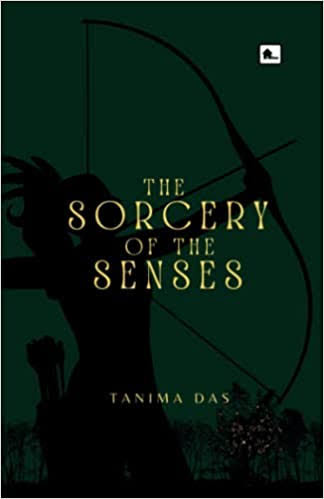
Book Review: The Sorcery Of The Senses By Tanima Das


A divorced man stumbles on a family heirloom when he visits his deceased parents' house. It opens a portal through which he is able to converse with the five senses. They make him see his previous lives, where he, as the chosen one, spectacularly failed in spite of possessing amazing powers. In this life, he is an overall failure and doesn't have any superpowers. The Senses believe that this may help him take on the evil versions of the five senses, who are out to make the universe a hell.

After re-reading the above synopsis, I realised that if this novel was written as a comedy, reading it would have been great fun. But this is not a comedy, and I didn't have much fun reading it. The Sorcery Of The Senses is the debut novel of Tanima Das. It is a fantasy novel that checks every box on the fantasy story checklist. The plot has magical elements and characters with special powers doing interesting feats. The world-building in the novel is not bad. There are three distinct worlds described in the story, and the writing is immersive enough to transport you there. Characterization is excellent, with all the major characters getting a good story arc and making the reader empathise with them even when they end up doing foolish deeds, which is almost every time.

Every fantasy needs an intricate quest for the protagonist to undergo and a formidable nemesis who severely impairs his progress. The novel lacks on these two accounts. This is the first part of a series of books. Though there is definitely a quest, it just begins at the end of this book. Also, we never get a good look at the antagonists, though they are mentioned briefly. These turn out to be the handicaps of the book, and owing to them, the book ends without a hook—something that can compel the reader to grab its sequel when it is released.

The protagonist, Dhruv, doesn't feature much, as most of the story told in this book deals with his two previous lives. But the character, with all his flaws, manages to make an impact. I really loved the realistic way in which his marital issues are depicted. His ex-wife also turns out to be a very sympathetic character, though I guess the author may surprise me in the sequel. The three senses that make their appearances in this volume unfortunately turn out to be damb squibs. Their relevance in the plot is reduced to providing exposition. The characters of the two past lives of the hero are far more interesting, especially the story of the blind princess. The first one had an issue with everyone making really bad decisions, but still, the characters were colourful and interesting.

There are no gimmicks employed in the narration, as the author decided to plainly report the story. But the simple narration turned out to be impactful, especially when magical elements were described. Ghriz moving into the poison forest and Mong curing the illness of the king are two very interesting segments that benefitted most from the plain-sailing narration.

The Sorcery Of The Senses by Tanima Das is the first part of a fantasy series that doesn't make the reader crave its sequel. It is well narrated and inhabited by good characters, though it lacks a hook for the reader in its climax. I do feel that the author missed the chance to make something crazy with material that had the potential for an over-the-top plot. Still, it is a pretty good debut, and fantasy lovers will not complain after reading it.

Friday, May 19, 2023

Book Review: Fate Eclipsed by Deepak Kaul


The Mahabharata is an epic that has inspired the creativity of artists for generations. Writers, painters, sculptors, and moviemakers have used the epic for inspiration. Innumerous masterpieces are born in the shade of the massive banyan tree that is the Mahabharata. There are several interpretations, elucidations, and analyses of events and characters available. It's safe to say that the Mahabharata is a treasure trove for all.

One character of the Mahabharata who has awakened the fascination of artists all over India is Karna, the first son of Kunti, the mother of five Pandava brothers. His father was Surya, the sun. When Kunti abandons him, a chariot driver and his wife adopt him. The transformation from Kaunteya to Radheya and from Surya Putra to Suta Putra defines the character of Karna in the Mahabharata. He was supposed to be numero uno, but fate quashed his destiny. His ambition to become the world's best warrior was scoffed at, and his talents were not taken seriously. Karna is a complex psychological figure who will any day stand tall before even the best of Shakespeare's tragic heroes.

Karna is a character about whom numerous novels, plays, poems, and movies are made. From Shivaji Savant's Mrityunjay on, there are many novels that explore different aspects of the warrior. Karnabharam is a Sanskrit play by Bhasa, in which Karna is the protagonist. Rasmirathi by Ramdhari Singh Dinkar is a long poem that is also about the life of Karna. The first book that I read is a classic in Malayalam with the title Ini Njan Urangatte (And Now Let Me Sleep), written by P. K. Balakrishnan. Dana Veera Soora Karna, a Telugu movie starring the legend NTR, and Kalyug, a Hindi movie by Shyam Benegal in which Shashi Kapoor does a fabulous modern-day version of Karna, are some examples from the silver screen that I have watched. Mani Rathnam's Thalapathy and Prakash Jha's Rajneeti have Rajni Kanth and Ajai Devgn playing characters inspired by Karna.

Entering this already oversaturated list is a short novel or novelette titled Fate Eclipsed, penned by Deepak Kaul. From his Goodreads profile, I could gather that he has written 25 books, including at least one that is a retelling of the Mahabharata. To be honest, my first reaction when I started reading Fate Eclipsed was relief because it was pretty short and I wasn't sure if another retelling of Karna that could be fairly interesting was even possible.

The title Fate Eclipsed is perfect for a story about the tragedy of Karna. Being the son of Surya, his death can be equated to an eclipse. In the book, Karna feels that he receives his strength from being exposed to the sun. When all the other warriors get tired of the furious rays, it seems Karna gets more ferocious. Even though Karna is forewarned of his end many times, he never recognises these signals. It is only when he finds the sun eclipsed that he realises it is his end. The title very cleverly alludes to the tragic fate of this brave warrior.

The story is told in four chapters. It begins with the return of the Kauravas to Hastinapur after the insult to Draupadi by Duryodhana. This is the beginning of the descent for Karna, as he becomes weak in front of his loyalty to Duryodhana. After that, each chapter goes one step further towards the final tragedy. The narration mostly happens from Karna's point of view, with certain inputs from his wife Uruvi as well. The writer wisely forgoes the descriptive mode and focuses on being inside the mind of his protagonist. We get a glimpse of his emotions at work, his feelings towards others, his ego, and his beliefs.

The writer uses a language that is quite simple and sufficient to mirror some of the basic emotions of his protagonist, culminating in his eventual downfall. I feel the book is written in a teen-friendly way. So you can see Uruvi wishing for a nice vacation after the end of the war and some characters using modern expletives while angry. To the writer's credit, it never descends into becoming unintentionally funny. He is somehow able to sustain the emotional arc of the story intact.

Fate Eclipsed is a short novel that is inspired by the Mahabharata. It offers an interesting, though not very deep or illuminating, insight into the mind of one of the most influential characters in the epic. I found it an entertaining and quick read, and I hope the author can come up with a longer book that unearths and explores a different facet of the Mahabharata.